“I like reading when I can read at my own pace. But I hate reading during class: the font is small, and there’s very little time to read,” says Ula, a ninth-grader with dyslexia. Her story perfectly reflects what this year’s Non-Reading Festival is all about: sometimes the problem isn’t that a child doesn’t want to learn or read. Perhaps the method they’re expected to use simply isn’t right for them.
From the first events in Vilnius and Kaunas in 2022 to a full-day festival that has outgrown a single venue this year. Over the past four years, the Non-Reading Festival, organized by the Lithuanian Audiosensory Library (LAB), has grown into the largest event in October—Dyslexia Awareness Month—in Lithuania.
This year, LAB is organizing it in collaboration with the Lithuanian Dyslexia Association. Coming up very soon—on Saturday, October 10—the festival will take place at the Oak Grove Library in Kaunas. From 11 a.m. to 6 p.m., visitors will find, in various areas of the library, firsthand accounts from people with dyslexia, presentations by experts, practical workshops for specialists and parents—featuring digital tools and alternative methods to “unlock” text—as well as educational and creative activities for children. All event activities are free of charge.
Dyslexia is not laziness or a lack of desire to learn
Dyslexia is a specific, lifelong reading and writing disorder that is not related to a person’s intelligence or lack of motivation.
Although the first signs of difficulty may be noticeable as early as preschool or in the early school years, they are often not recognized until much later, toward the end of elementary school or after starting middle school. When learning to read or write, dyslexia can manifest in a variety of ways: difficulties in memorizing letters, reading words accurately and fluently, or recognizing sequences of letters or syllables, which makes it harder to understand the text being read. These difficulties may also be accompanied by challenges in memorizing other sequences, such as multiplication tables or the names of the months, or in learning to tell time.
Dyslexia is not rare. According to international studies, it affects approximately 5–10 percent of the general population. There are no precise data on how many people with dyslexia live in Lithuania.
Lithuanian Dyslexia Association: There Is Still a Lack of Recognition and Understanding
Failure to recognize dyslexia-related difficulties in a timely manner and a lack of appropriate support can affect more than just academic performance. Constant setbacks and a lack of understanding from those around them can undermine confidence in one’s abilities and self-esteem, and increase stress, anxiety, and the risk of emotional difficulties.
This year, the Lithuanian Dyslexia Association (LDA), which has joined the organization of the Non-Reading Festival, brings to the event something that cannot be replaced by theoretical knowledge alone: the experiences of people with dyslexia and their families.
According to LDA President Agnė Liucilė Grickevičė, the festival provides an opportunity not only to come together and strengthen the dyslexia community but also to help the public better understand what it truly means to live and learn with dyslexia.
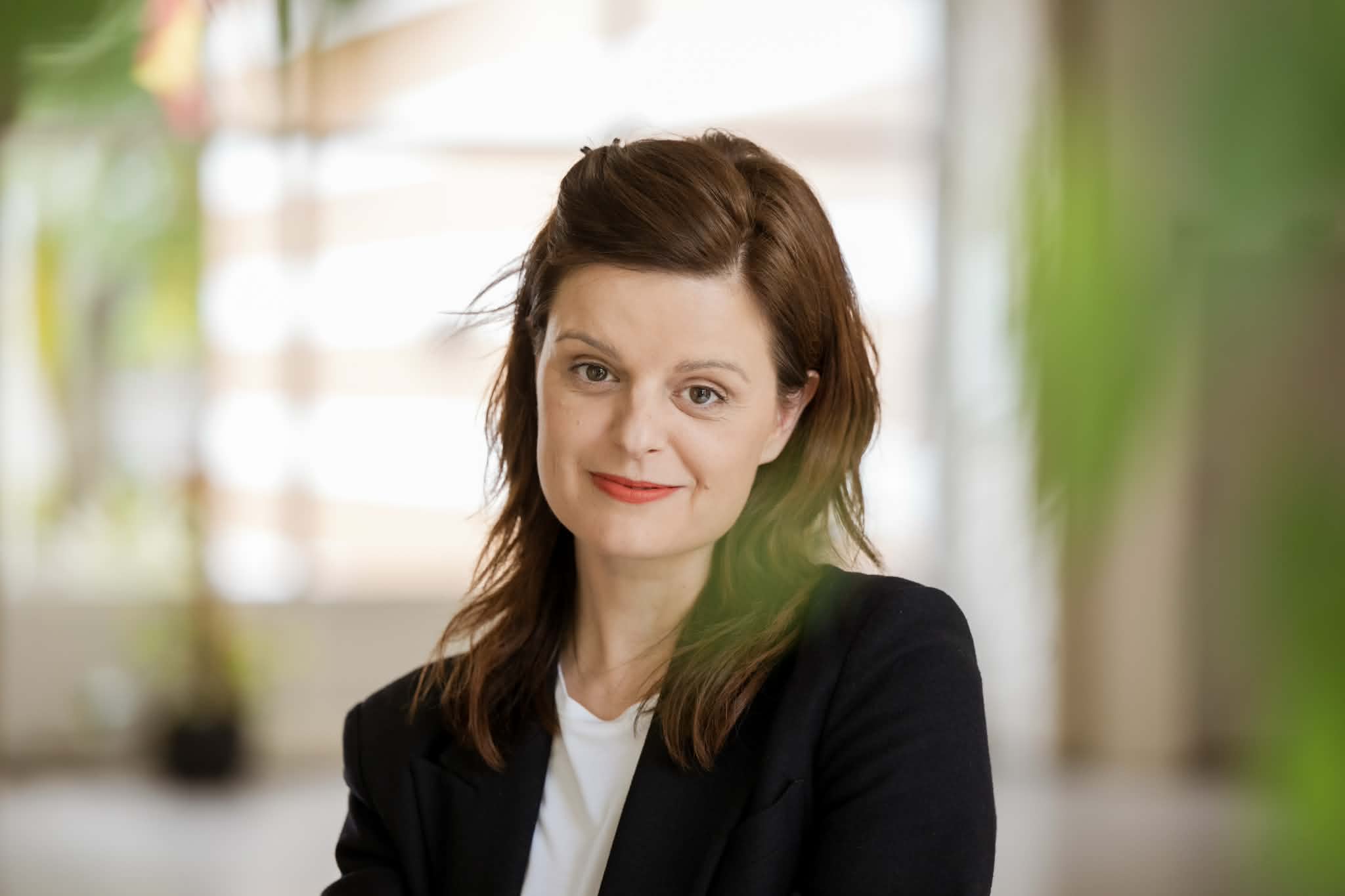
“There are many similarities in the experiences of people with dyslexia. Many talk about difficulties that went unrecognized for a long time and a lack of understanding as to why things that seem simple to others require significantly more effort on their part. That’s why it’s very important to us that the conversation about dyslexia isn’t limited to specialists. We want the voices of the people living with it to be heard, because their experiences help us better understand what kind of support and changes are truly needed,” says president of the Lithuanian Dyslexia Association.
The stories of people with dyslexia will be shared at the festival in the Oak Hall of the Oak Grove Library—here, sociologist Paulius Godvadas will moderate discussions with professionals from the fields of pharmacy, robotics, education, design, and other areas.
Both experiences with dyslexia and solutions to it vary widely
The experiences of people with dyslexia reveal not only the challenges they face, but also just how much can be changed by timely support, a properly adapted environment, and an approach based on a person’s abilities rather than their challenges.
This will be perfectly illustrated by the stories of the festival’s special guests—Mike Jones and Tiffany James, who are traveling from the United Kingdom. Mike and Tiffany are the founders of the educational technology company “Nessy Learning”. Both live with dyslexia and have dedicated years to creating solutions for children facing reading and learning challenges.
The film “Makas” (orig. “Mical”, dir. Yew Weng Ho), based on Mike Jones’s life story, will be screened in Lithuanian for the first time at the festival. Also fresh off the press will be Tiffany James’s book “Understand Me” (orig. “What I Need”). It will be available in today’s most accessible book format—EPUB. It is this book that gave its name and central theme to this year’s entire festival—“Understand Me”.
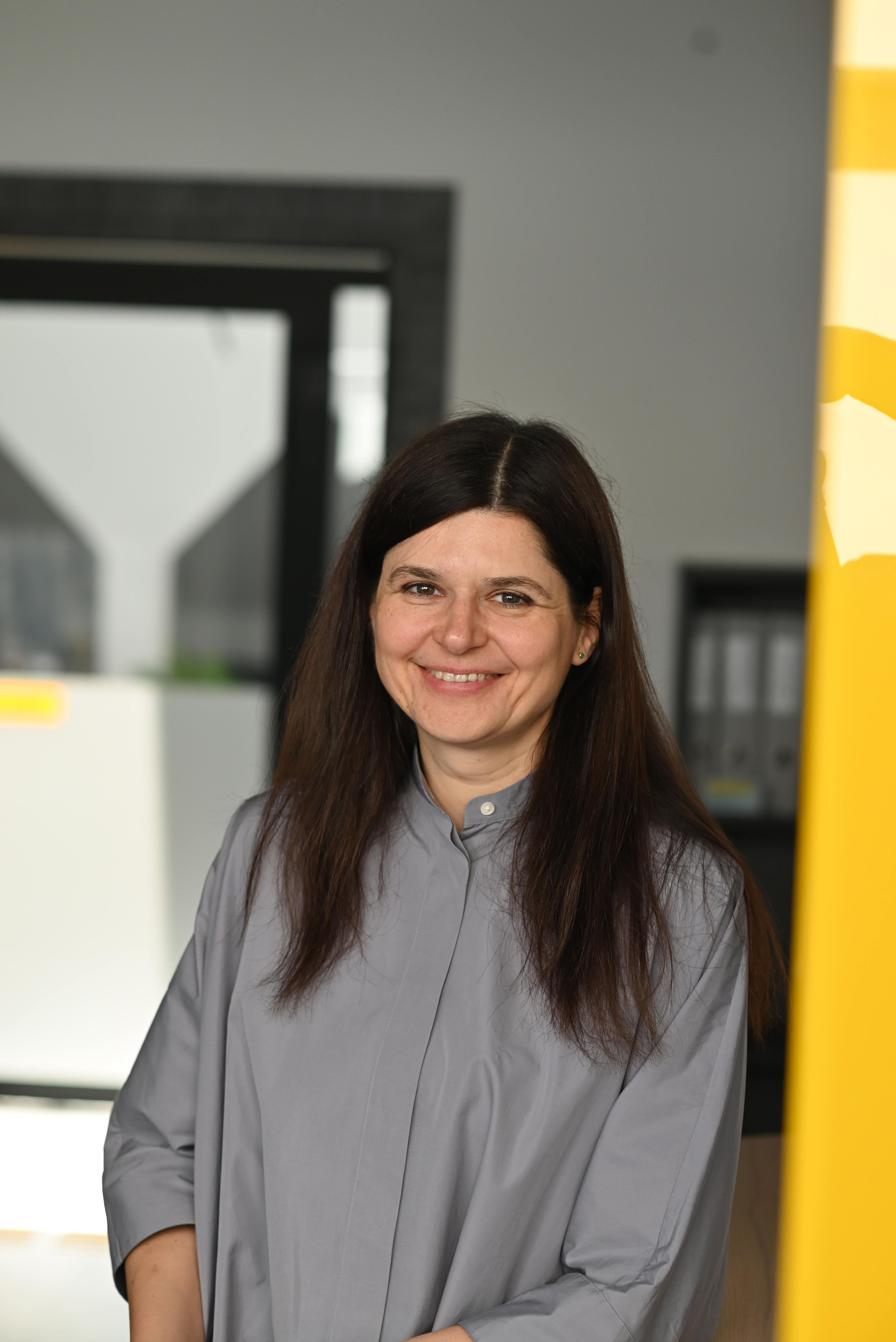
“A few years ago, when we invited schools, libraries, and the entire community to celebrate Dyslexia Awareness Month and organized the first Non-Reading Festival, we dreamed of bringing about change. It took openness for people to hear, feel, and come. And people did come; they shared their personal stories and talked about how difficult it is for a child who can’t read normally to navigate school. Talking about diversity in society and calling for understanding and acceptance of people who read differently requires not only constant reminders but also systemic changes and awareness on the part of all of us. People are infinitely diverse, just as books and forms of reading are diverse,” says the director of the Lithuanian Audiosensory Library, the initiator of the festival, who invites parents and educators to discover not only stories at the festival, but also tools that can make learning easier for children with dyslexia.
A Brief Overview of the Non-Reading Festival
When? Saturday, October 10, 11 a.m. – 6 p.m.
Where? Oak Grove Library (2 Radastų St., Kaunas)
Important: The festival is free of charge. Registration is required only for educational activities and workshops.
Program: A full list of speakers, detailed festival schedule, and registration forms are available at neskaitymofestivalis.lt.